Allegiance and Treason as defined by the Declaration
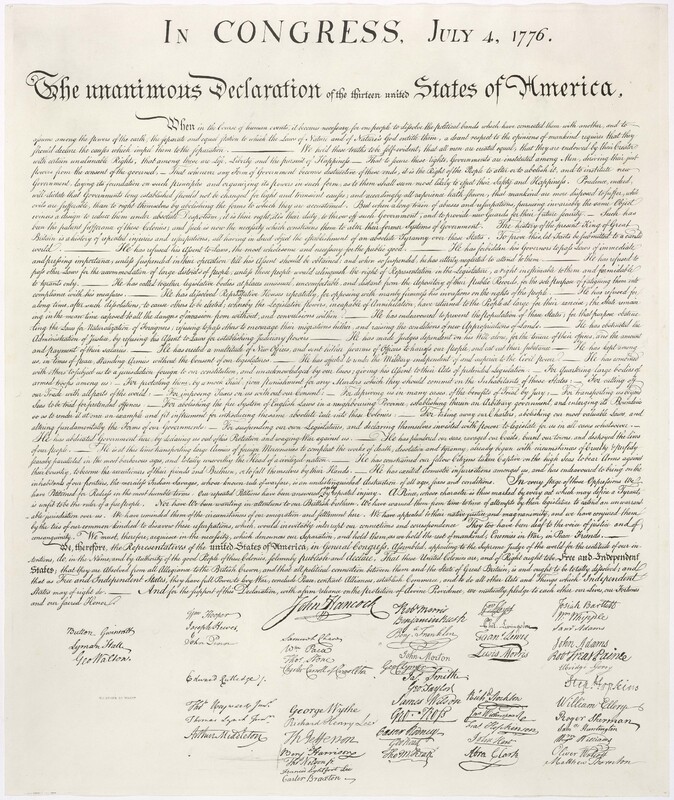
The Declaration of Independence helped define components of allegiance
and treason. This is apparent in how the last paragraph is written:
"We, therefore, the Representatives of the united States of America, in General Congress, Assembled, appealing to the Supreme Judge of the world for the rectitude of our intentions, do, in the Name, and by Authority of the good People of these Colonies, solemnly publish and declare, That these United Colonies are, and of Right ought to be Free and Independent States;"
The Declaration of Independence also gave the moral authority to individual states to crush internal dissent:
"that they are Absolved from all Allegiance to the British Crown, and that all political connection between them and the State of Great Britain, is and ought to be totally dissolved; and that as Free and Independent States, they have full Power to levy War, conclude Peace, contract Alliances, establish Commerce, and to do all other Acts and Things which Independent States may of right do. And for the support of this Declaration, with a firm reliance on the protection of divine Providence, we mutually pledge to each other our Lives, our Fortunes and our sacred Honor."
James H. Kettner explains that “every state established oaths and declarations to test the loyalty of its inhabitants.”55
Consequently, loyalists were penalized with “punitive fines, disfranchisement, and deprivation of legal rights to confiscation of their property and banishment.”56 Loyalists who waged war against American forces or aided the British were
“liable to public execution under most state treason laws.”57
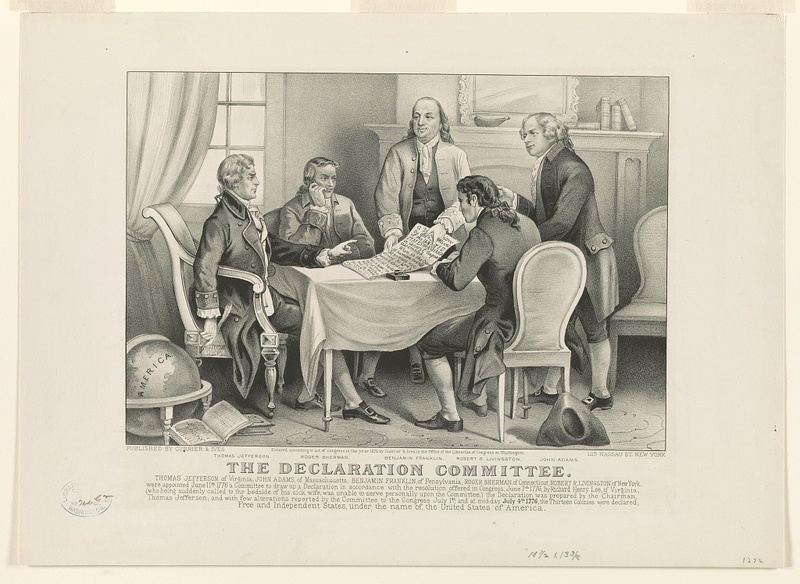
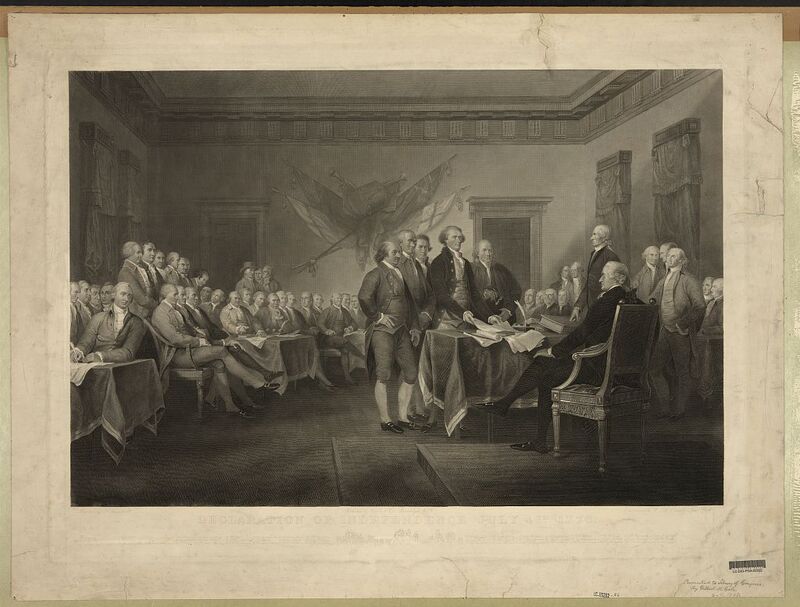
The establishment of treason law served as a solution to disloyalty. As the formerly all British community disintegrated with the revolution, issues related to loyalty, status and political obligation remained frighteningly fluid.58 For this reason, revolutionaries required that oaths of allegiance be issued in regions suspected of loyalism in an effort to both test and win over wavering loyalists and “compromise people in the eyes of the British and to deter them from fighting for the British.”59 Ultimately, American treason law served two functions. Firstly, American treason law pressured loyalists and neutral colonists to oppose the British. And, secondly, the law was developed as a means for revolutionaries to justify their rebellion by making adherence to the British crown a high crime.