A Son of Liberty
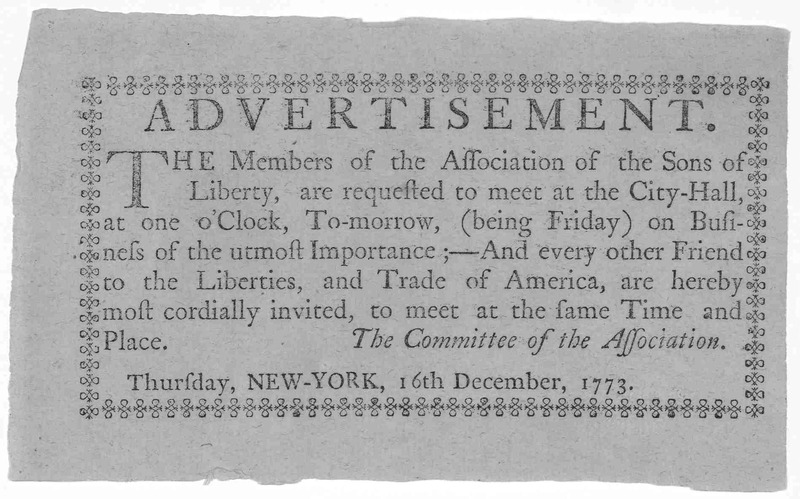
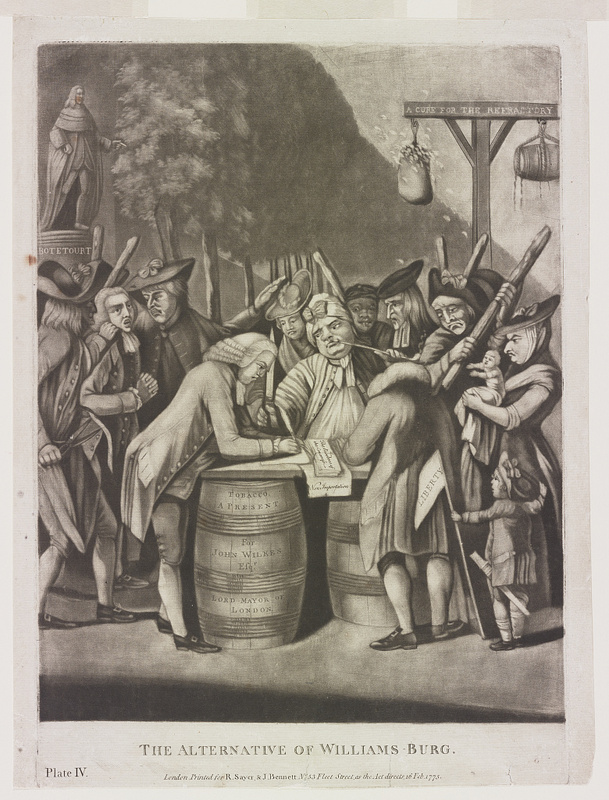
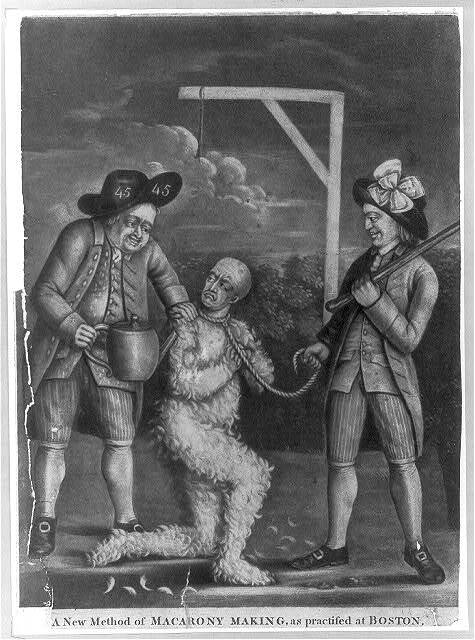
In the autumn of 1774, Arnold returned to his home in New Haven, Connecticut. While home, Arnold “plunged into the resistance to British policies and the obliteration of opposition to the radical movement.”1 (9) He joined New Haven’s Sons of Liberty, a group of American colonials who deliberately participated in acts to silence loyalists.
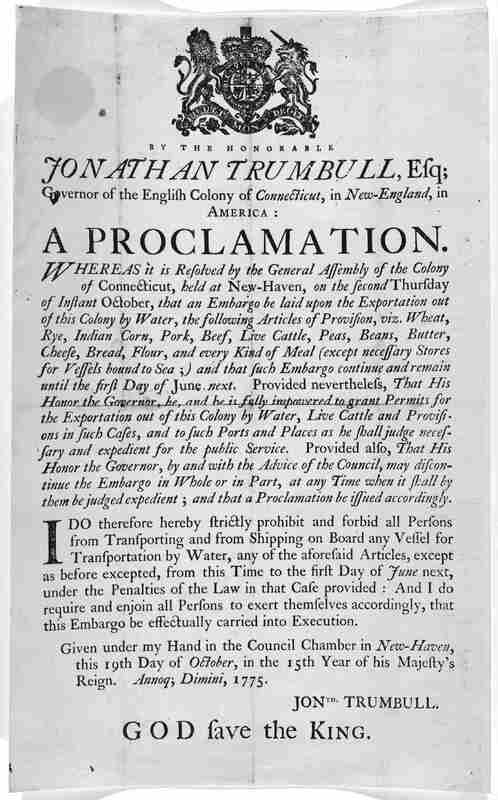
According to Martin, Arnold and another patriot, Colonel David Wooster, led patriot gangs to antagonize anyone who spoke out against “the destroyers of the tea in Boston Harbor.” 2 (10) The Boston Tea Party had occurred on December 16, 1773. The Sons of Liberty protested the English Tea Act by throwing crates of tea overboard in the Boston Harbor.
Click on the video below to learn more about the Boston Tea Party:
Eventually, Arnold’s role as a member of the Sons of Liberty evolved into a captaincy for New Haven’s local militia. In March 1775, Arnold was elected captain of the “Governor’s Second Company of Guards.”11 According to Stephen Brumwell, Arnold was elected leader because he was “tough, experienced, worldly wise, and long accustomed to giving orders; and not least, he was a zealous champion of American liberty against British tyranny.”12
One month later, on April 19, 1775, British commander General Thomas Gage sent 800 soldiers to Lexington, Massachusetts. The troop’s main objective was to “march to Concord to destroy the weapons being assembled for a secret American army of some fifteen thousand.”13 However, news of the British advance into Concord instigated immediate resistance from local colonists. The fighting at Concord resulted in the British losing nineteen officers and 246 soldiers, dead and wounded, while the colonists lost ninety men. The Battles at Lexington and Concord officially commenced the outbreak of the American Revolution.14
Click on the video below to learn about the Battles at Lexington and Concord:
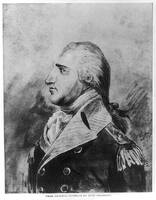
The qualities that made Arnold a desirable leader played a crucial role in his military
career,for better and for worse. As mentioned, he was known to be tough, experienced, wise and accustomed to giving orders. 15 That said, Arnold also had qualities that made him dislikable. Martin states:
“Arnold, like most people, had his temperamental moments, but for the most part he was considerate in his dealings with others unless he thought his reputation as a meritorious gentleman-patriot was under attack.”16
Martin suggests that “although Arnold was an ambitious person with clear goals, he was not a smooth talking self-promoter.”17
Nonetheless, Arnold had the makings of a successful naval and military commander and on more than one occasion he showed his military prowess.